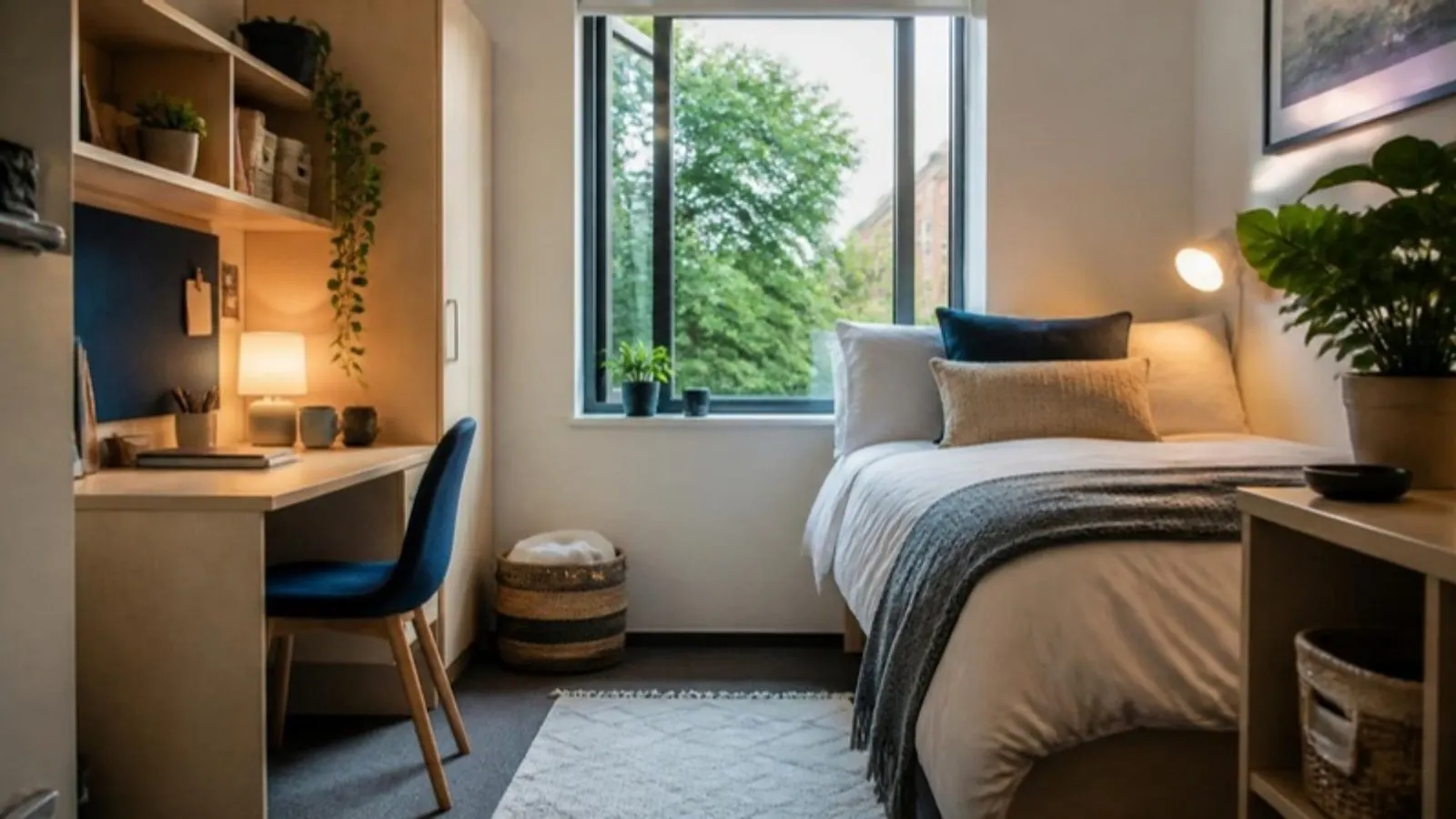
Residence or a shared apartment? Compare housing options in Canada and use our checklist before signing any lease.
Housing is often the decision that keeps parents awake at night. Is the place safe? Is the price fair? What happens if something goes wrong? Students, meanwhile, want independence and a home near friends and classes.
Homestay is a familiar starting point, especially for younger students. But many college and university students move on to residence or a shared apartment. Here is how the options compare, and how to avoid costly mistakes.
On-campus residence
Residence is the most popular choice for first-year university students. Rooms are close to classes, many include a meal plan, and residence staff organise activities and support. Published 2026-27 examples include:
- University of Alberta: residence with meal plan from CAD 14,200.
- Memorial University: residence with meals at CAD 10,594–12,510 a year.
- University of Regina: room and meals for eight months at CAD 7,720–16,260.
- Western University: first-year residence, September to April, at CAD 21,770–27,340 (2025-26 figures).
Residence places can be limited, so apply as early as the university allows. More examples are in our living costs guide.
Shared apartments
From second year, many students rent a room in a shared apartment or house. This can lower costs, especially outside the largest cities, and teaches real independence: cooking, budgeting and sharing space respectfully. It also brings responsibilities, starting with the lease.
Before you sign a lease: a checklist
- See it first: visit in person or by live video. Never send money for a place you have not seen.
- Confirm the landlord: check that the person you deal with actually owns or manages the property.
- Read the whole lease: length, rent, due date, notice period and rules on guests or subletting.
- Know what is included: heat, electricity, internet and furniture can change the real monthly cost, especially in winter.
- Understand deposits: tenancy rules are set by each province, and some limit what a landlord can ask for.
- Document the condition: take dated photos on move-in day.
- Consider tenant insurance: it can cover personal belongings and liability.
Where to get help
Universities and colleges usually have off-campus housing offices that list rentals and explain local rules. Each province also has a tenancy authority that publishes tenants’ rights. Encourage your child to ask questions before signing; good landlords welcome them.
The right housing gives students a safe base, healthy routines and peace of mind for the whole family. Include it in your full first-year budget from the start, alongside tuition, food and transport.
Book a free pre-assessment with Canadian Edu Centre, and we will help you compare housing options and plan a realistic budget before departure.