What a semester in a Canadian high school offers, why a full year often gives more, and how to plan either with confidence.
Not every family is ready to commit to several years abroad, and that is perfectly reasonable. Perhaps your child is curious but unsure. Perhaps you want to see how they cope before making a bigger investment. A short high school program in Canada can answer those questions with real experience rather than guesswork.
What short programs look like
Many Canadian high schools organise the year in semesters, which makes it possible to join for part of it. Options typically include:
- One semester: about five months, often starting in September or early in the new year.
- A full school year: about ten months, from September to June.
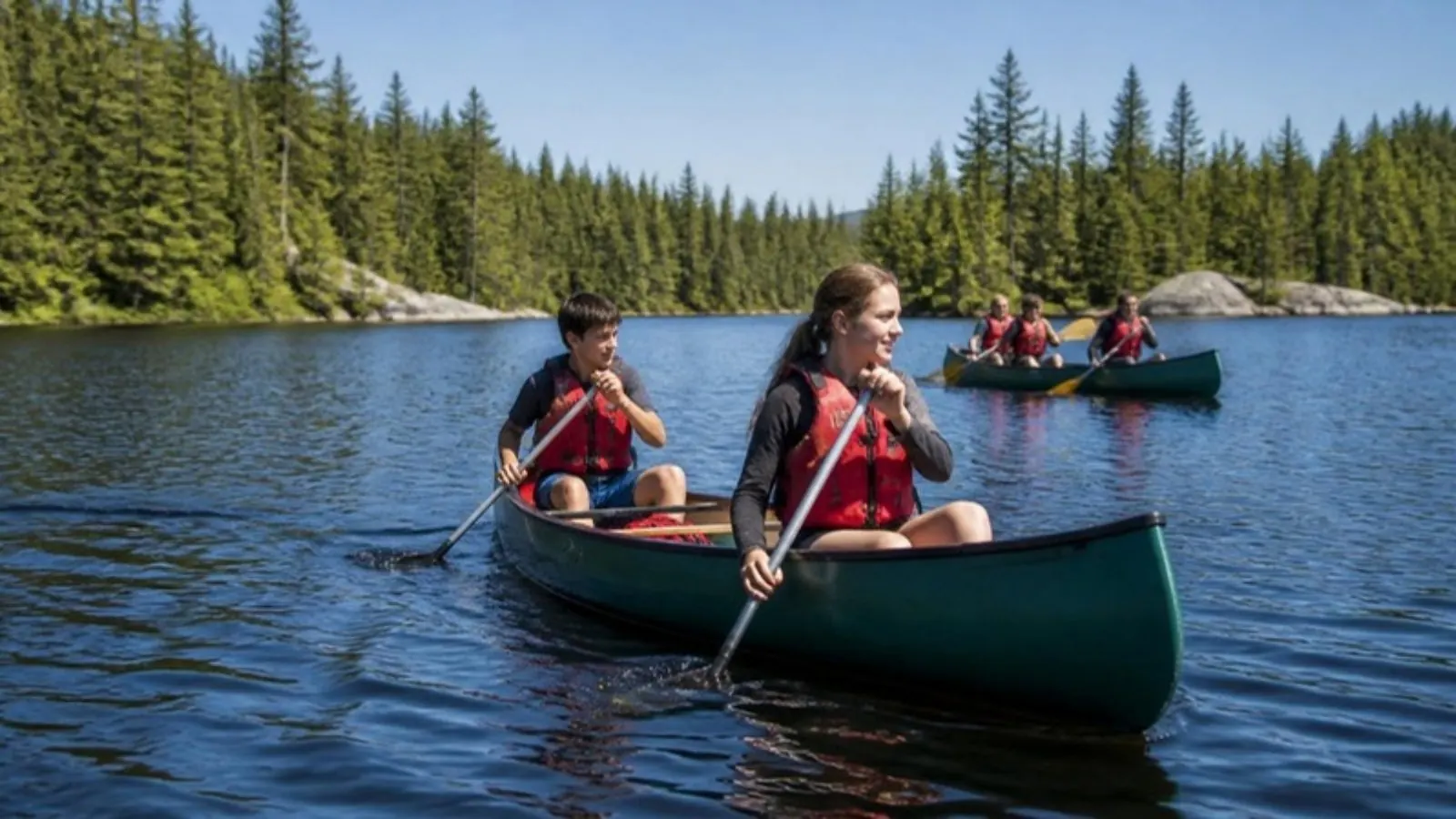
- Summer camps: for younger students, camps for ages 9–17 combine English lessons with activities for one to four weeks.
Availability and start dates vary by school board, so we always confirm them before planning.
Who a semester suits
A semester works well for students who want to improve their English, experience Canadian classrooms and test their independence before a longer plan. Students live with a vetted host family, attend classes alongside Canadian peers and come home with new confidence. For parents, it is a measured first step.
Why a full year often gives more
- Deeper friendships: the first months are about settling in; the second half is where students truly flourish.
- Stronger English: a full year of daily immersion usually brings more noticeable progress.
- Better academic results: more time means more completed courses and a fuller transcript.
- Value: fixed costs such as flights and application fees are spread over a longer stay.
Thinking about cost
Public school tuition is usually published per school year, from about CAD 10,500 in Nova Scotia to CAD 18,500 in Coquitlam for 2026-27, with homestay at roughly CAD 950–1,700 a month. Semester fees are set by each board and are not always half the annual fee, so ask for the exact figure. Insurance, application and placement fees apply either way. For younger learners, our summer camps offer a lighter first taste of Canada.
Planning ahead
Short programs need the same care as long ones: custodianship for minors, a well-matched homestay and the right school. If a semester goes well, extending may be possible where the school has space, but places are never automatic. Start 9 to 12 months ahead where you can.
Not sure which length fits? Book a free pre-assessment with Canadian Edu Centre, and we will compare semester and full-year options for your child, with an honest view of what each can achieve.